


SWOT Analysis
Used to assess an organization’s current position before you decide on
any new strategy. Stands for strengths, weaknesses, opportunities and threats.

VRIO Model
Evaluates the resources of a company such as financial resources, human resources, etc. to develop a competitive advantage. Stands for value, rareness, inability, organization.
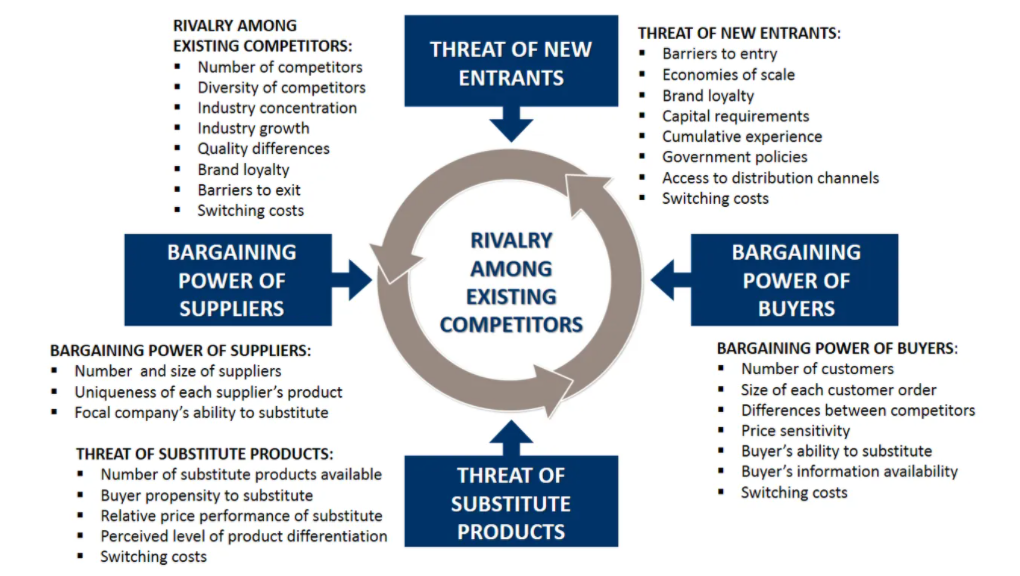
Five Forces Model
Examines where power lies in a competitive situation. Identifies competition, new entrants unto the industry, supplier power, buyer power, and the threat of substitute products and services in the market.

Strategy Diamond
Provides a simple way to show how the different parts of an organization’s strategy fit together. The five key elements are arenas, differentiators, vehicles, staging & pacing, economic logic.
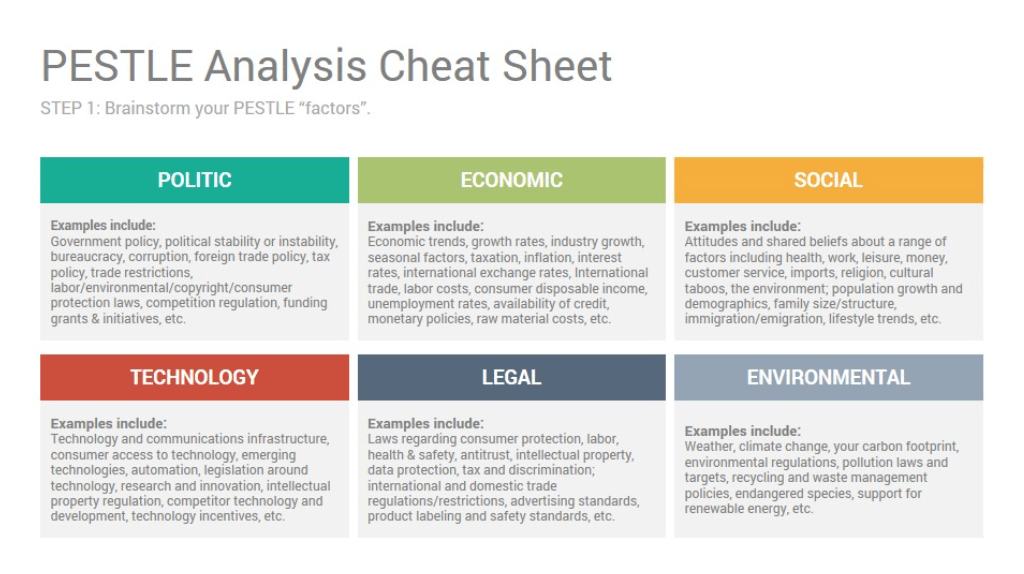
PESTLE Analysis
Analytical tool to assess external macro economic factors of a business. Acronym stands for Political, Economic, Social, Technological, Environmental, Legal
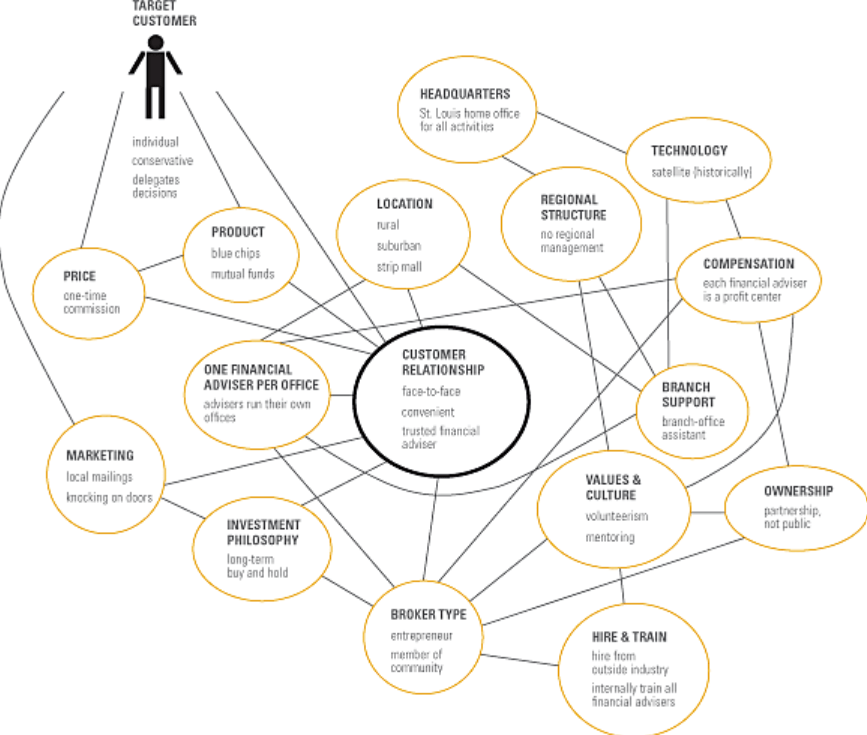
Activities System Mapping
Provides a system to visualize and plan business goals, by understanding the flow of business from supplier to buyer. If the activities run efficiently, the stronger the business strategy for a competitive advantage with the product or service.

Vulnerability Analysis
A target map showing financial, hazard, strategic & operations vulnerabilities.

DuPont Model
This model decomposes ROE which allows investors to focus on the key metrics of financial performance individually to identify strengths and weaknesses.

Competitive Advantage Model
Tool for competitive analysis, strategy planning and building business cases. The model is used to score your business against competitors in terms of economic fundamentals, business capabilities, cost leadership and product differentiation.

Mullins Seven Domains Model
A model to look at micro and macro forces that will impact your planned venture or business idea.
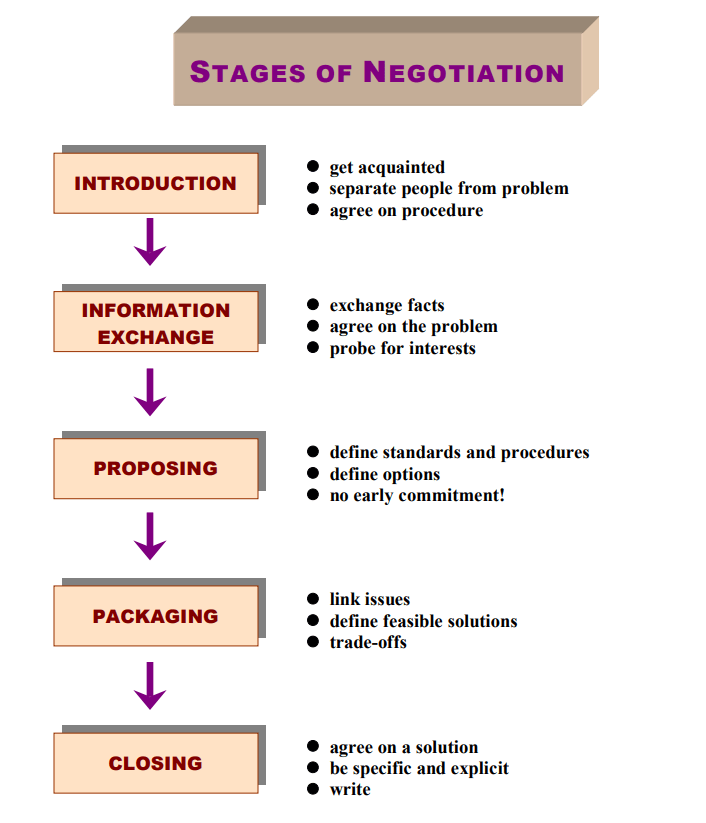
Stages of Negotiation
Flow chart illustrating the five stages of negotiations. Stages include introduction, information exchange, proposing, packaging and closing.
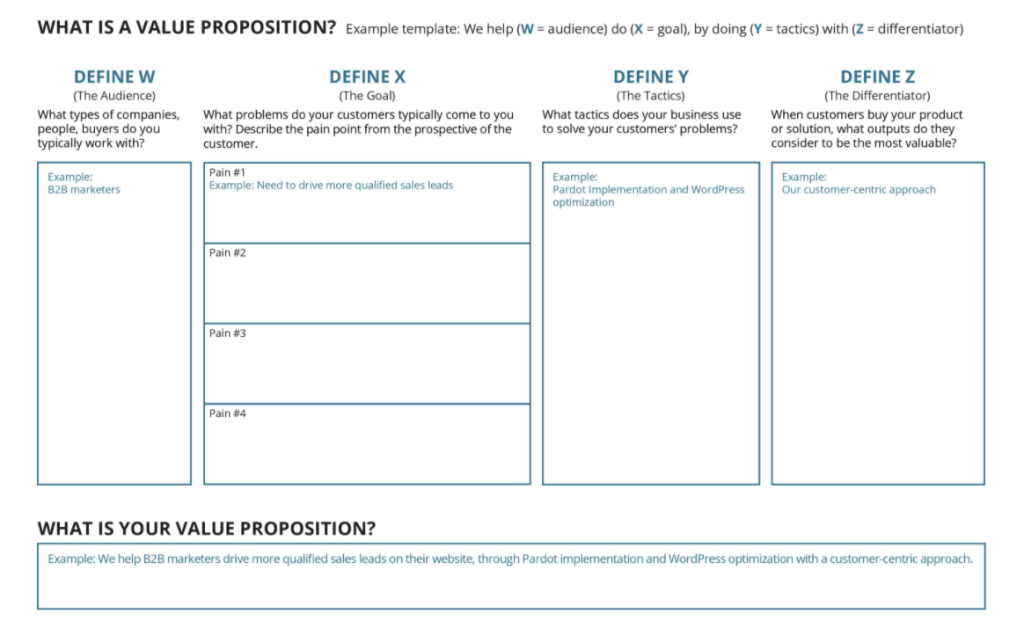
Value Proposition Worksheet
Used to effectively identify and express the primary reason why a customer should buy from a company.
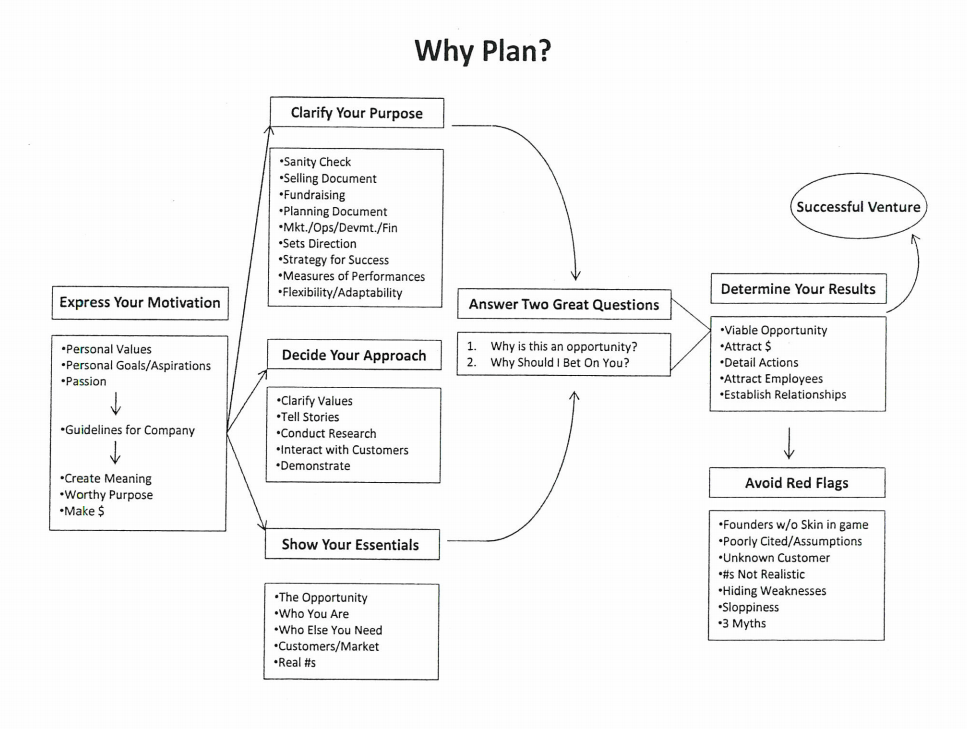
Why Plan
Flow Chart for determining if a venture can be successful.

Business Model Canvas
A strategic management and lean startup template for developing new or documenting existing business models. It assists firms in aligning their activities by illustrating potential trade-offs. It is a visual chart with elements describing a firm’s or product’s value proposition, infrastructure, customers, and finances.
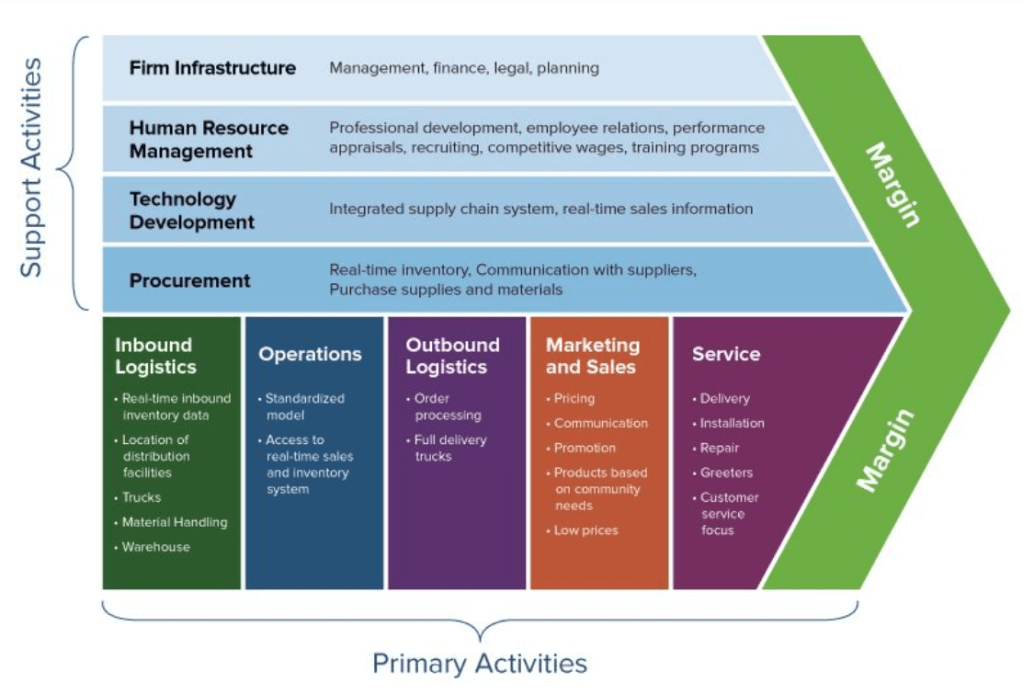
Value Chain Model
Helps break down all the activities that go into producing a good or service and understanding areas of cost savings and differentiation. A sequence of activities that each adds value to a product, service or experience. Any activity that generates more valuable outputs than the cost of its inputs can be part of a value chain.
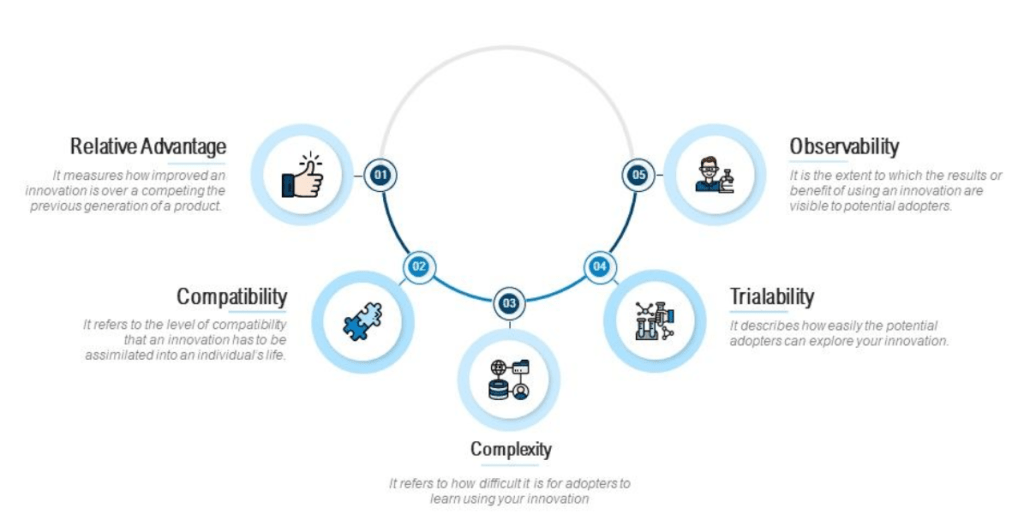
Rogers Five Factors
Rogers Five Factors for Innovation Diffusion and Adoption of a product: Relative Advantage, Compatibility, Complexity, Trialability, Observability. Often used in conjunction with a Product Lifecycle Analysis.
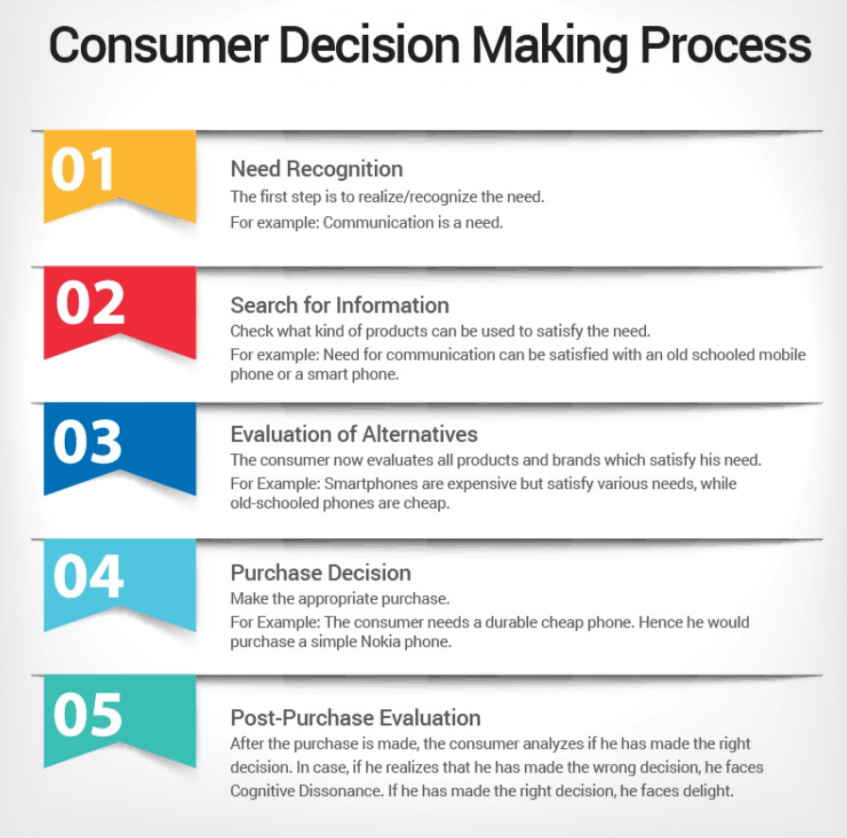
Customer Decision Making Process
Used by marketers for identifying and tracing the decision making process of a customer from the start to the end. The process has 5 different stages: need recognition, information search, evaluation of alternatives, purchase decision, post purchase behavior.

DNA Analysis
When analyzing differentiators, DNA components value to customer versus costs to firm. 4 areas to analyze are: Reliability, Quality, Customer Responsiveness, Innovativeness.
Five Forces is Dope AF!
— Steven G
ABC is LIFE!!!.
— James P
Mo money good!
– Lauren
 Frog Force 21
You must be logged in to post a comment.